LETTINGS
Long-Term Lettings vs Short Stays
The differences between traditional residential letting and furnished short-stay accommodation, from an owner and guest perspective.
For property owners considering how to generate income from a residential property, the choice between a traditional long-term let and a furnished short-stay arrangement is one of the most consequential decisions to make. Each model has distinct characteristics, advantages and trade-offs, and the right choice depends on the property, the owner's circumstances, and their appetite for involvement.
The Long-Term Let
A long-term let is a traditional tenancy agreement — typically six to twelve months or longer — in which a tenant occupies the property as their home. The rent is fixed, the tenancy is governed by a formal agreement, and the tenant is responsible for the day-to-day running of the property.
For owners, the long-term let offers stability and predictability. The income is consistent, the management requirements are relatively low, and the property is occupied by a tenant who has a vested interest in maintaining it as their home. The trade-off is that the income per night is lower than a short-stay model, and the owner has less flexibility to use the property themselves.
The Furnished Short Stay
A furnished short stay — whether for a few nights, a week, or a month — is a different proposition entirely. The property is fully furnished and equipped, the guest stays for a shorter period, and the per-night income is typically higher. The property may also be available for the owner's personal use between bookings.
The appeal is clear: higher income potential, personal use, and the ability to keep the property in pristine condition through regular servicing. The trade-offs are higher management intensity — the property needs cleaning, laundry, and maintenance between every stay — and less predictable income.
From the Owner's Perspective
Owners choosing between the two models should consider their priorities. If stable, hands-off income is the goal, a long-term let is usually the better choice. If maximising income and retaining personal use of the property are priorities, and the owner is prepared for the management commitment (or willing to delegate it to a professional service), short stays may be more suitable.
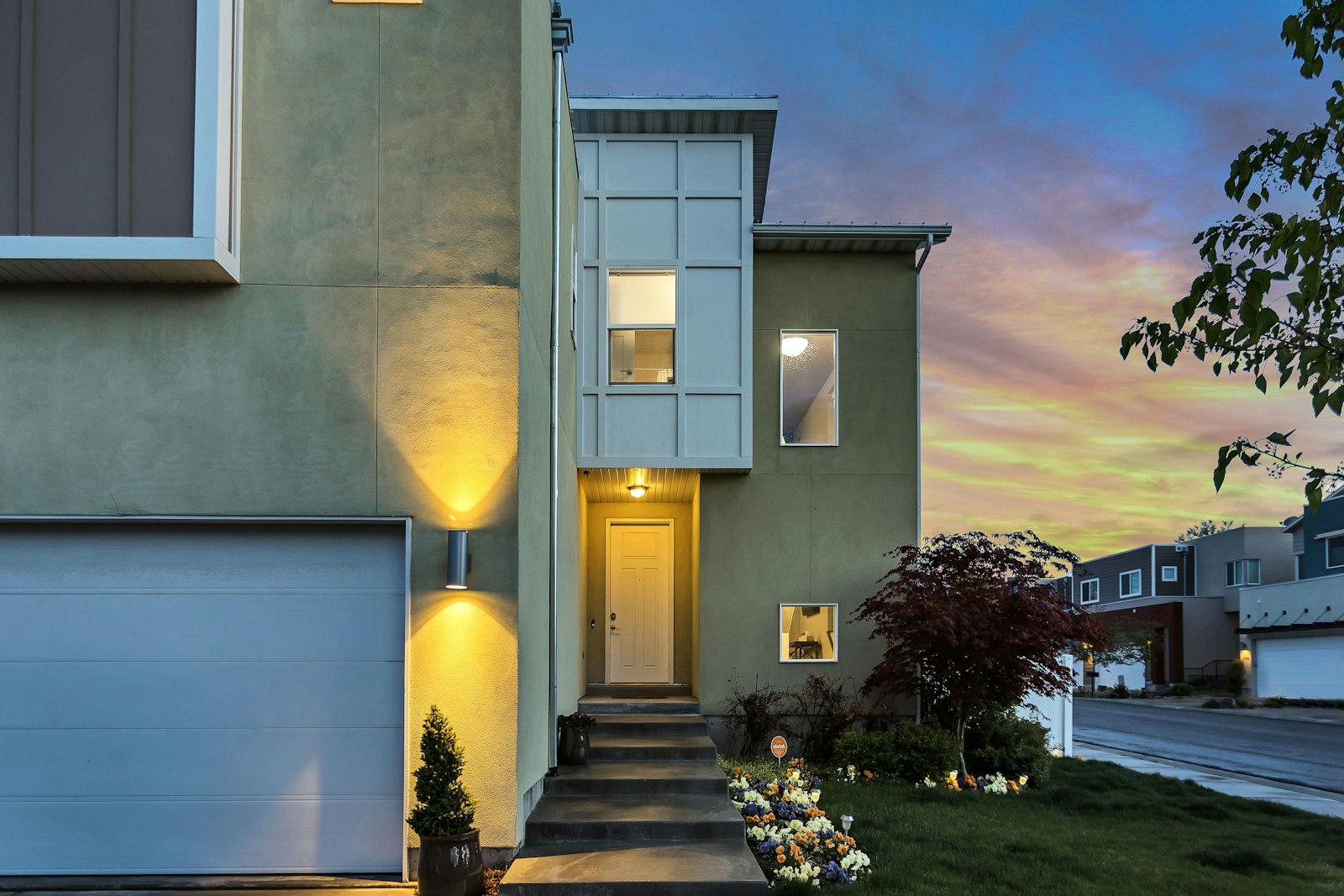
The property itself also matters. A well-located apartment with excellent transport links may be ideal for short stays. A family house in a quieter area may be better suited to a long-term tenant who values the space and the neighbourhood.
From the Guest's Perspective
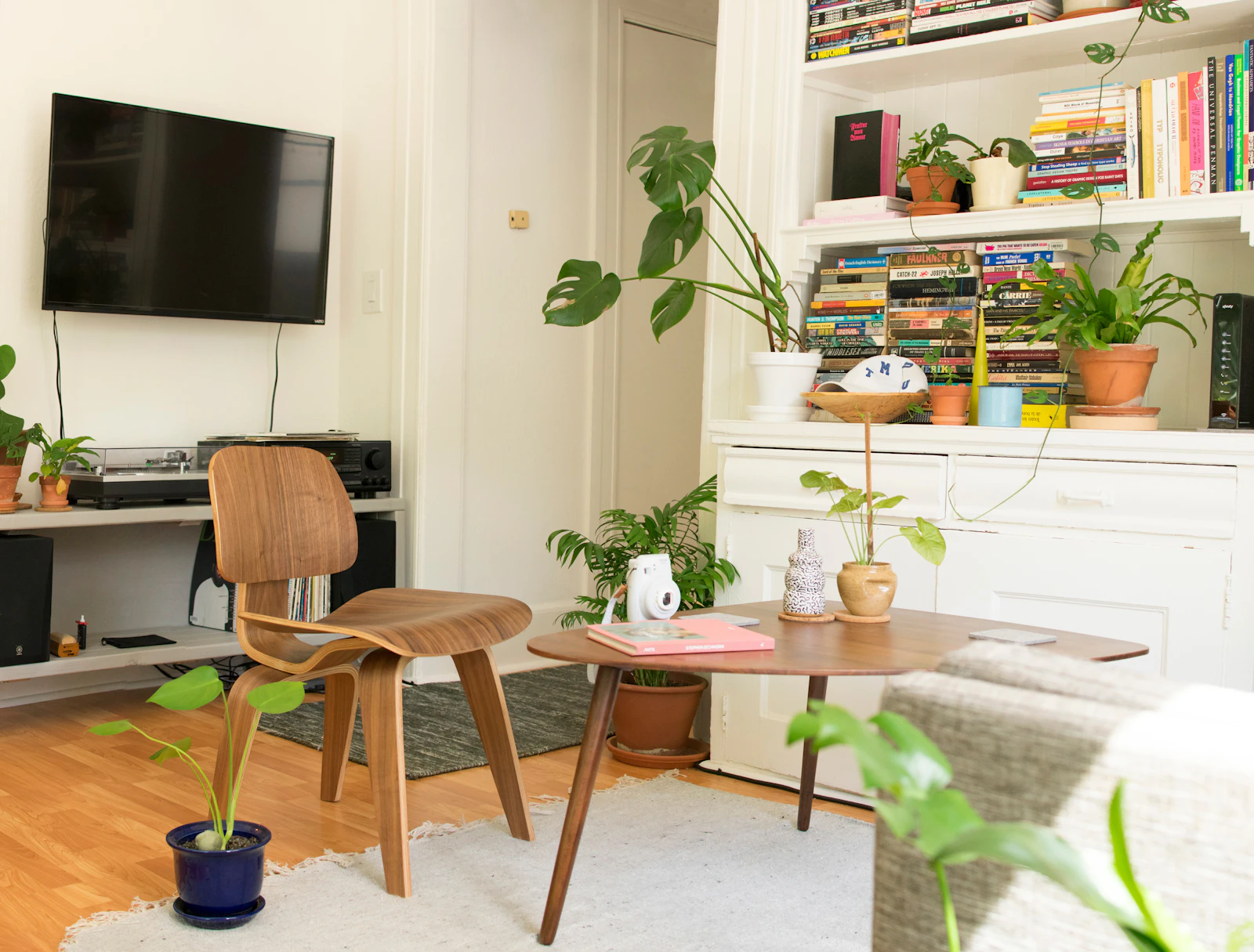
For guests, the distinction is equally important. A long-term tenant wants a home — a stable base with the freedom to live, decorate (within reason), and put down roots. A short-stay guest wants a serviced experience — a beautifully presented space with everything included, from linen to Wi-Fi, and the convenience of a hotel with the space and privacy of a home.
Understanding these different expectations helps owners prepare their property appropriately. A long-term let needs to be functional and durable. A short-stay property needs to be immaculate, fully equipped, and consistently serviced to a high standard.
The Role of Professional Management
For many owners, the deciding factor is management. Long-term letting can be managed with relatively light involvement, particularly with a good agent handling tenant finding and rent collection. Short stays require active, professional management — someone to handle bookings, cleanings, guest communications and maintenance.
Choosing the right model is not just about the property. It is about the owner's lifestyle, their appetite for involvement, and the quality of management support available to them.
← Back to JournalA long-term tenant wants a home. A short-stay guest wants a serviced experience.