LIFESTYLE & RELOCATION
Relocating to London: Finding the Right Area for Your Lifestyle
How to think about commute, schools, lifestyle, architecture, green space, restaurants and community when choosing an area.
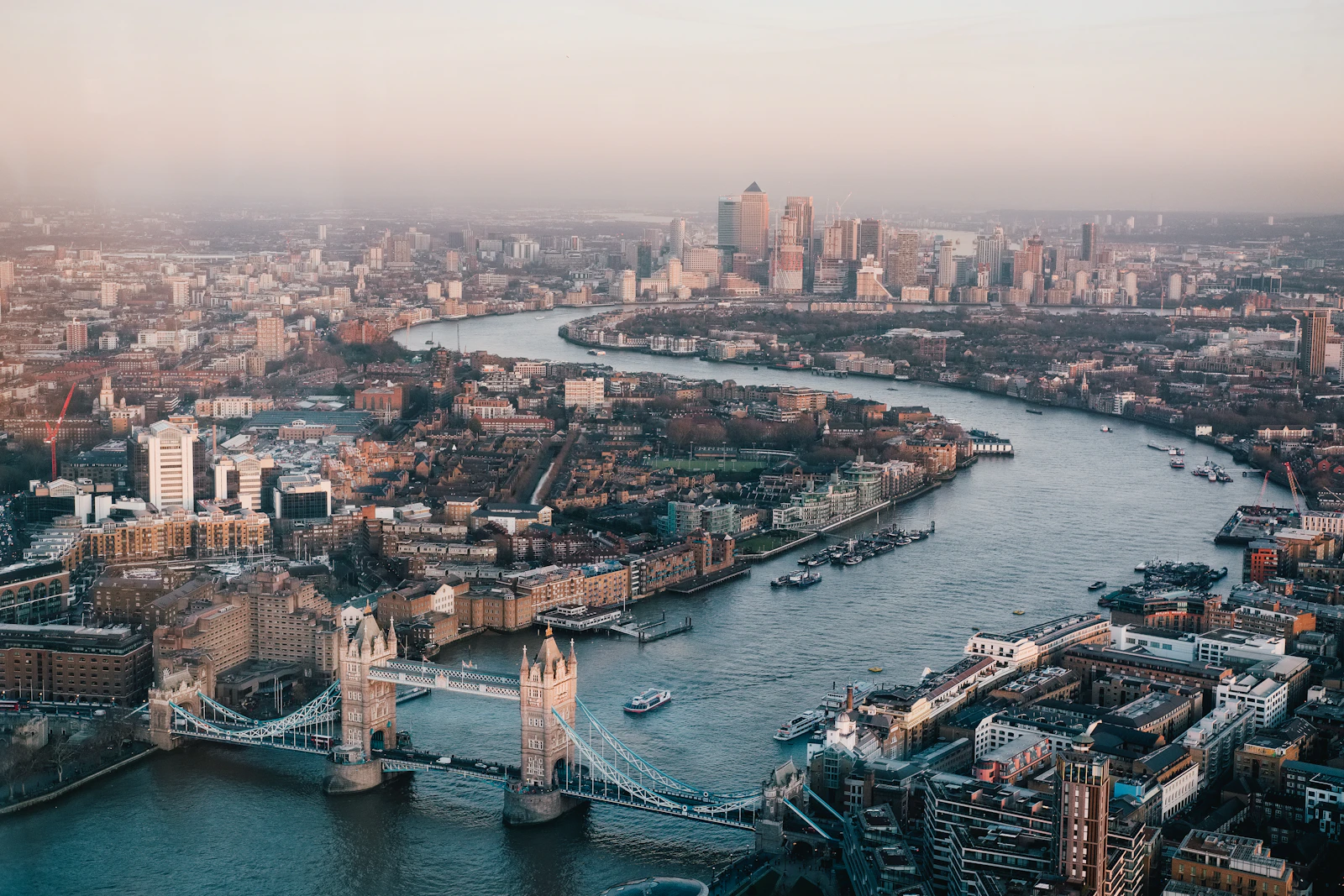
Relocating to London is an exciting prospect, but it comes with a challenge that catches many newcomers by surprise: the sheer scale and variety of the city. London is not one place but a collection of distinct neighbourhoods, each with its own character, amenities and lifestyle. Finding the right area is often more important than finding the right property — and it requires a thoughtful approach.
Start with Your Daily Life
The most effective way to narrow the search is to begin not with property listings but with your daily life. Where will you or your partner work? What is a manageable commute? If you have children, what are your schooling requirements? What do you like to do on a weekend — walk in a park, visit galleries, eat out, exercise, entertain at home?
These questions may seem basic, but they are the foundation of a successful relocation. An area that looks beautiful on paper but requires a miserable daily commute will wear thin quickly. A neighbourhood with excellent restaurants but no green space may not suit a family that values outdoor time. Start with how you actually want to live, and let that guide where to look.
Commute and Connectivity
London's transport network is extensive but not uniform. Proximity to a Tube station is valuable, but not all lines serve all areas equally well, and journey times can vary significantly. Consider not only the commute to a specific workplace but the overall connectivity — how easy is it to reach other parts of the city, to get to airports, to travel beyond London?
For some, walking or cycling to work is a priority. For others, reliable public transport is sufficient. Be honest about what you can tolerate daily, not just what sounds acceptable in theory.
Schools and Family Life
For families, schools are often the single most important factor in choosing an area. London has a complex school system, with state schools, grammar schools (in some areas), independent schools, and international schools all offering different options. Catchment areas for popular state schools can be small, and property prices within them reflect that.
Research schools early in the process, understand the options available in different areas, and consider how long your children will be in education — an area that works for a primary-age child may be less suitable when they reach secondary age.
Architecture and Character
London's architecture varies dramatically from one area to another. Victorian and Edwardian terraces dominate much of the inner suburbs. Georgian architecture characterises areas like Bloomsbury and parts of Islington. Contemporary developments cluster around former industrial areas and transport hubs. Each architectural style offers a different living experience — different ceiling heights, room proportions, outdoor space and atmosphere.
Think about what kind of property and streetscape appeals to you. Some people love the grandeur of a stucco-fronted Victorian house; others prefer the clean lines of a contemporary apartment. The architecture of an area shapes its character as much as its shops and restaurants.
Green Space and Community
Access to green space is one of the factors most consistently undervalued by newcomers to London. The city has extraordinary parks — from the royal parks to heaths, commons and garden squares — but access to them varies enormously by area. If walking in a park, having a garden, or being near open green space matters to you, prioritise it in your search.
Community is harder to quantify but equally important. Some areas have a strong village feel — local shops, familiar faces, a sense of belonging. Others are more transient and cosmopolitan. Both have their appeal, but they suit different people and different stages of life.
Taking the Time to Explore
The most important advice for anyone relocating to London is to spend time in the areas you are considering. Visit at different times of day and different days of the week. Walk the streets, use the local shops, try the transport, eat in the restaurants. Talk to people who live there. An area that looks perfect online may feel different in person — and an area you had not considered may surprise you.
Relocating to London is a significant undertaking, but it is also an opportunity to choose a home and a lifestyle in one of the world's great cities. Approach it thoughtfully, and the result will be an area that genuinely feels like home.
← Back to JournalFinding the right area is often more important than finding the right property.